Green Initiatives
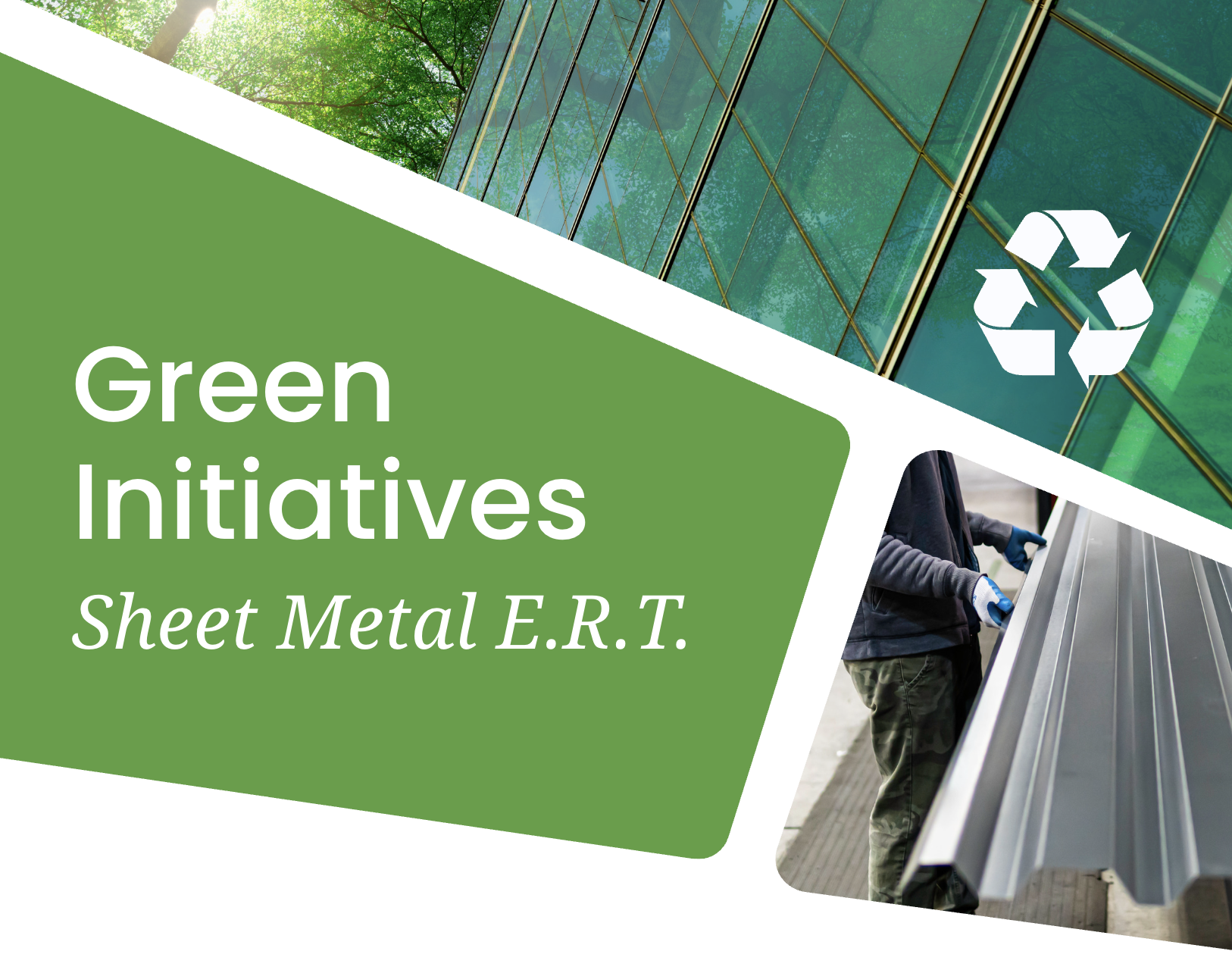
Our Sheet Metal Environmental Reduce, Reuse, Recycle Training (E.R.T.) Project continues to promote environmental stewardship by training apprentices to reduce waste, reuse materials and recycle sheet metal.
In its second year (2025–26), the project trained 272 Sheet Metal and Architectural Sheet Metal apprentices. To date, more than 200 Sheet Metal apprentices have also completed CBTU’s online Building It Green (BIG) Foundations course.
Through our partnership with Skills Ready and the Construction Foundation of BC, more than 1,000 youth have participated in hands-on workshops using recycled scrap metal to build toolboxes, copper bracelets and other projects. These activities introduce environmental practices while creating awareness of sheet metal as a career choice for the next generation.
E.R.T. participants shared how the training is influencing their work:
“I always use offcuts before full sheets and reduce waste by planning first.”
“Being more conscious about how I use material and always on the lookout for ways to reduce and reuse material when possible.”
“Explain the importance of recycling to younger apprentices.”
As we enter the third and final year, SMWTCS will continue to build apprentices’ environmental skills, promote sustainable practices and strengthen environmental stewardship across the sheet metal industry.
Federal UTIP Funding Supports Expanded SMART Canada Training
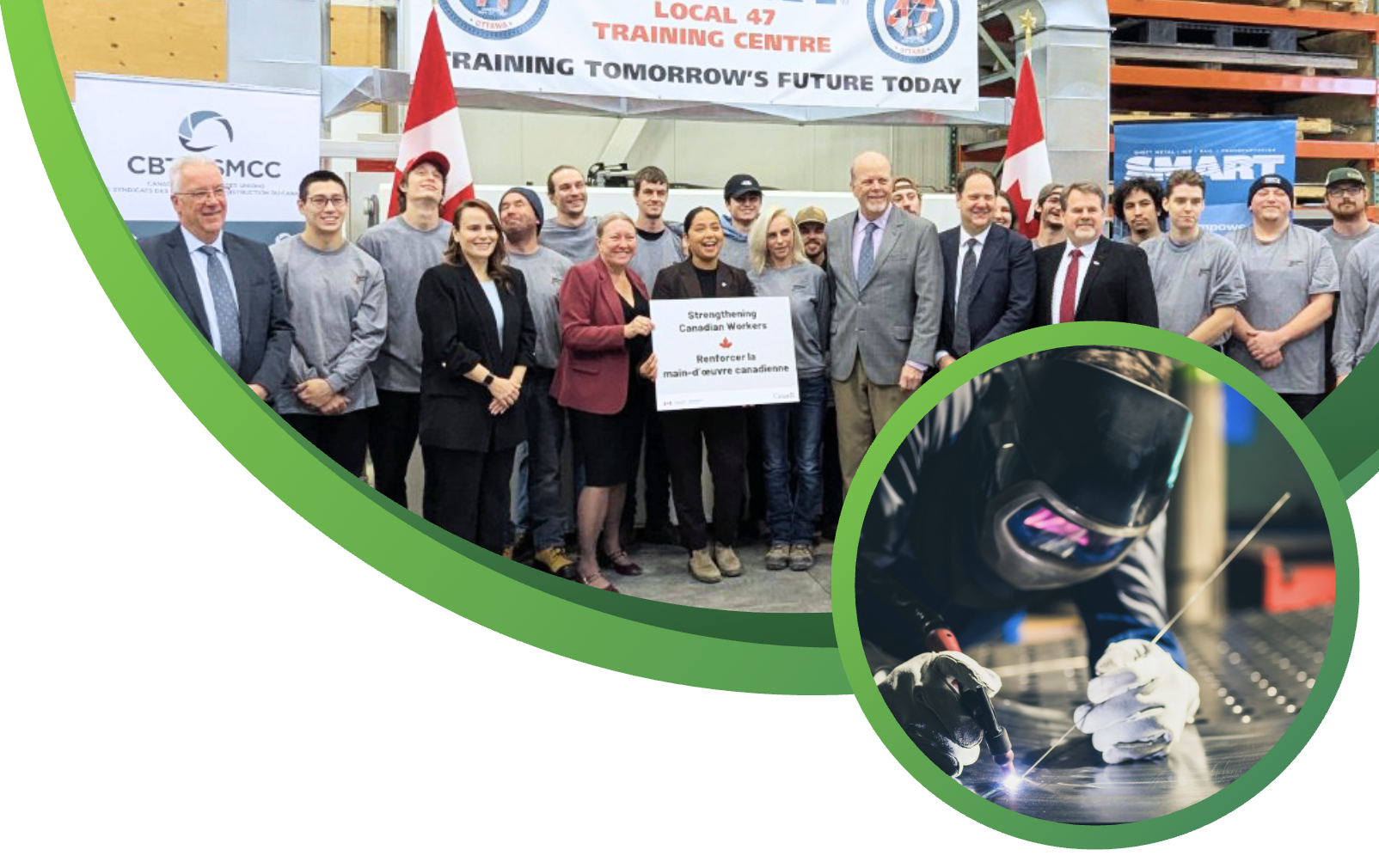
Federal UTIP Funding Supports Expanded SMART Canada Training
The Green Futures Training Partnership is a five-year national initiative led by SMART Canada in partnership with Canada’s Building Trades Unions (CBTU), SkillPlan and SRDC, supported by $8.9 million in federal funding through the Sustainable Jobs Stream. The project will provide green training to more than 2,000 sheet metal apprentices and journeypersons across Canada.
Now in its research and program development phase, Green Futures is focused on developing a national SMART Green Certification, modernizing and digitizing apprenticeship training, and enhancing the Building It Green climate literacy program, including Indigenous content. Consultation with training centres, instructors, apprentices, journeypersons and industry will help ensure the new training reflects regional and workplace needs.
SMITB is contributing to this national work through participation on the SMART Canada Advisory Committee, helping bring B.C.’s training perspective to the development of future green skills training for the sheet metal trade.
The Impact of AI on Learning

The Impact of AI on Learning
Artificial Intelligence (AI) is changing how we work, communicate and learn — and skilled trades training is no exception. Used effectively, AI can be a valuable learning tool for students by helping explain difficult concepts, generate practice questions, summarize information and provide additional support when preparing for in class exams, SLEs and IPs. It can also help students learn at their own pace and explore concepts in different ways when they need extra clarification.
The key is using AI to support learning, not replace it. Developing strong technical knowledge, problem-solving skills and hands-on competency remains essential to becoming a skilled tradesperson.
SMWTCS has developed an AI Use Policy to provide students with clear expectations for the appropriate and responsible use of AI during technical training. As these technologies continue to evolve, SMWTCS will explore opportunities to use them to enhance learning while maintaining academic integrity and ensuring students develop the knowledge and skills required on the job.
In Memoriam: Wayne Fagrie

In Memoriam:
Wayne Fagrie
SMWTCS recognizes the passing of Wayne Fagrie, a longtime sheet metal worker and member of SMART Local 280.
Wayne’s career in trades education began as an instructor with public training providers PVI and BCIT.
In 1992, he was recruited as the first Head Instructor of the Sheet Metal Workers Training Centre when it opened. Wayne later held both the Head Instructor and Training Coordinator roles in the early 2000s, before retiring in 2006.
His many years of service helped establish and strengthen apprenticeship training at SMWTCS and supported generations of sheet metal workers.
We extend our condolences to Wayne’s family, friends and colleagues.